
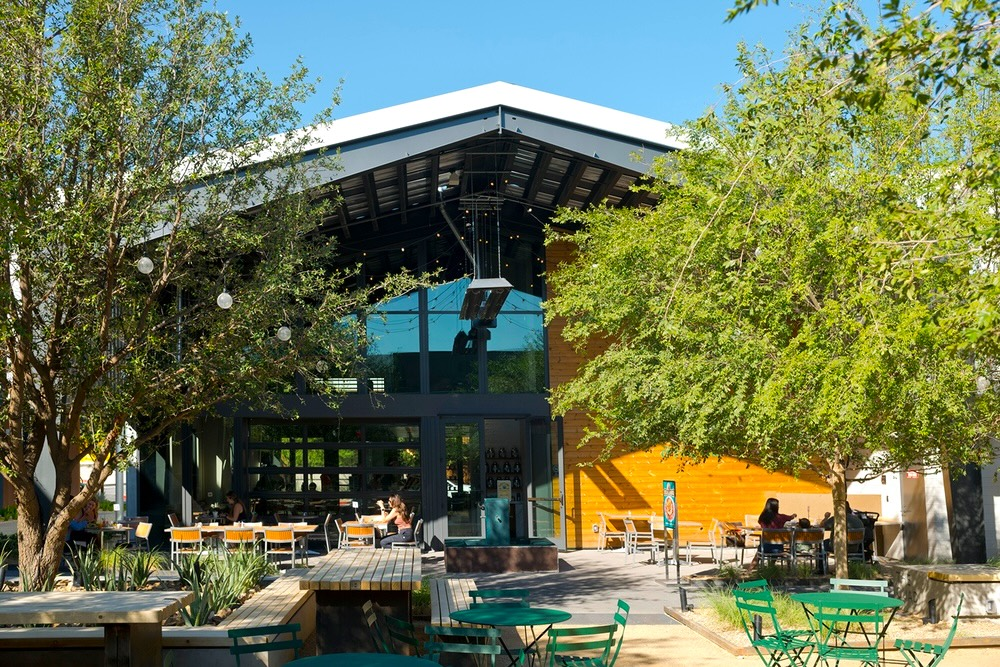

If you’ve ever looked around the Bay and wondered how you’re supposed to build a whole adult life inside a starter home, Southwest, a neighborhood in Spring Valley Las Vegas feels like someone finally changed the rules. One of the city’s newest residential corridors, Southwest Las Vegas homes for Bay buyers often mean modern townhomes, newer single-family builds, and community hubs that are still filling in, not aging condos or inherited renovations. You can grab Korean BBQ at 11pm, buy groceries in ten minutes, and actually have space to put your furniture. Less tightly curated than Summerlin, Southwest has the mix of affordability, flexibility, and access that California newcomers immediately recognize as something special that does not exist in the Bay Area.
Southwest Las Vegas Homes for Bay Buyers: What Actually Works
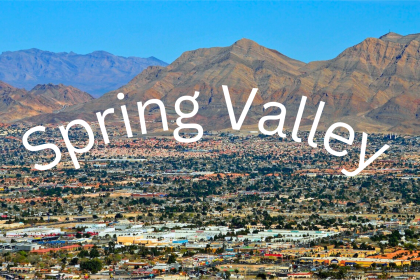
What many Bay Area newcomers don’t realize is that “Southwest Las Vegas” is technically part of Spring Valley, a massive westside community that started developing in the 1980s and has expanded outward ever since. While the original Spring Valley neighborhoods grew up around older parks and established schools, the Southwest came later, pushing toward the 215 beltway and Blue Diamond as the Valley grew. This means that instead of retrofitting yesterday’s infrastructure, Southwest was built during Las Vegas’ modern boom, with wider roads, newer construction, fresher dining districts, and retail hubs designed for how people live now.
1. New Homes That Simply Don’t Exist in the Bay
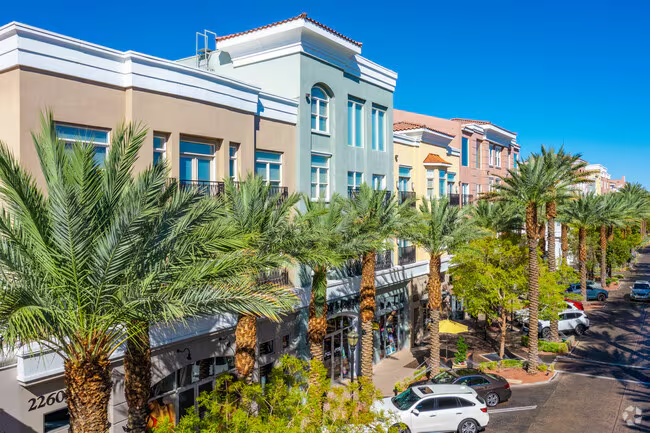
One of the biggest shocks for Bay Area buyers is realizing how new Southwest Las Vegas actually is. Entire communities here were built in the last ten to fifteen years, with floor plans designed for how people live now. In real terms, Southwest Las Vegas Homes for Bay Buyers deliver something the Bay simply doesn’t: newer construction with functional floor plans at a price point that doesn’t demand sacrifice. I love the open kitchens, real pantries, primary bedrooms you can actually stretch out in, cars that can fit two mid sized vehicles comfortable.
What You’d Get in the Bay Area
In the Bay, “new” often means a $700K one-bedroom condo or a $1.2M townhouse wedged between older buildings. In the Southwest, “new” means a detached single-family home with modern construction, reasonable maintenance needs, and the sense that you’re starting life on a clean slate rather than inheriting decades of deferred problems. It’s an experience most Bay buyers simply can’t get at home, and once they see it in person, it reframes what “affordable luxury” actually looks like.
3. There Are Actually Things to Do
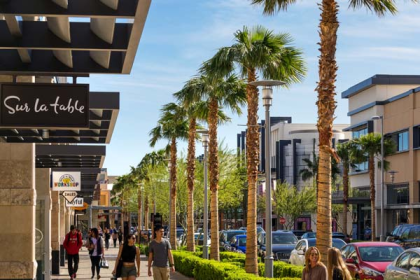
Southwest Las Vegas isn’t a bedroom community where you drive across town just to have a life. For example, the UnCommons gives you a walkable campus of restaurants, coffee shops, wellness studios, coworking spaces, and patios that feel like a Vegas version of SJ’s Santana Row. Durango Station adds a sleek, local-first nightlife hub with cool haunts like Wax Rabbit, and modern casino energy without the Strip chaos. And The Bend is shaping into a casual entertainment zone with breweries, dining, and movie-night vibes. I can run a full morning at The UnCommons starting with coffee at Urth, a meeting at Kiln, and a midday walk through the courtyards, and still be home before Bay Area traffic would normally clear. For Bay Area buyers who are used to commuting to enjoy themselves, having amenity centers this close to home feels like a luxury.
3, A Vibrant Energy That Still Feels Grounded
Southwest Las Vegas attracts people who are a bit younger than the typical Henderson retiree. The vibe sits comfortably between the Arts District and Summerlin, meaning it has more ambition and nightlife than a cookie-cutter suburb, but with more diversity and without the hyper-curated HOA perfection. You’ll see gym bags, laptop backpacks, and kids’ bikes in the same shopping plaza, and someone it all makes sense.

Southwest Las Vegas at a Glance (Compared to the Bay Area)
Before you get too deep into Southwest’s lifestyle energy, it helps to see how it stacks up against what Bay buyers are used to. Here’s a quick snapshot to ground the comparison.
← swipe or scroll left to view the full table →
| Feature | Bay Area Equivalent | Southwest Las Vegas |
|---|---|---|
| Arts & Culture | Oakland First Fridays / Peninsula food culture | Trending plazas, community dining scenes, weekly events |
| Walkability | Downtown San Jose / Alameda pockets | Moderate: car-forward but plazas clustered efficiently |
| Nightlife | Mission District / Uptown Oakland bars | Casino-adjacent lounges, local craft bars, Durango Station |
| Housing Options | $1.2M small SFH or $700K 2bd condo | $480K–$650K newer SFH, $330K–$450K townhomes |
| Median SFH Price | ~$1.3M+ | ~$550K (depending on micro-area) |
| Community Vibe | Prestige + pressure | Grounded, practical, ambitious without pretense |
The Downsides of Southwest for Bay Area Buyers
Southwest Las Vegas is still growing, which means construction sights and sounds come along with the new homes, new shopping centers and new apartment clusters rising every year. Some people love seeing development; others get annoyed by dust, lane closures, and the feeling that nothing is quite “finished.” Parents who want district bragging rights or flagship academies may find the Southwest a little too pragmatic. Finally, because it’s a car-first area, walkability is limited outside of certain plazas. You can absolutely build a comfortable life here, but you won’t replicate a Berkeley or Alameda pedestrian lifestyle. That’s the trade-off: convenience, affordability, and access at the cost of polish and old-money suburban prestige.
The Housing Market: What $600K Actually Buys in the Southwest vs. the Bay
Southwest Las Vegas is one of the few places where $600K still feels like a full life, not a consolation prize. In this part of the Valley, that price typically lands you a newer 3–4 bedroom single-family home, built within the last decade, with a usable backyard, real closets, modern kitchens, and garages that don’t require creative storage hacks. My Bay Area buyers are used to that number buying them a starter condo, an aging townhouse, or the first chapter of a years long renovation.
Let’s see how far a budget of $600k will stretch across top SF Bay Area cities versus in Southwest.
← swipe or scroll left to view the full table →
| Market | What $600K Gets You |
|---|---|
| San Francisco | 1-bed / 1-bath condo, 600–850 sq ft, HOA fees |
| San Jose | 2-bed condo or older townhouse, ~900–1,200 sq ft |
| Fremont | 2-bed condo or dated starter townhouse, limited updates |
| Hayward | Small 2–3 bed townhouse or older SFH needing work |
| Southwest Las Vegas | 3–4 bed single-family home, 1,700–2,500 sq ft, newer construction |
Southwest Las Vegas works because it more than delivers what Bay newcomers can’t get back home: newer housing, predictable commute times, and real amenities in a single neighborhood footprint. The schools, shopping centers, dining districts, and outdoor spaces are already established, and ongoing development continues to drive value. When you compare what you can afford and how you get to live Southwest starts looking like a smart move.

If you’re curious how other westside neighborhoods stack up, explore my deep dive on Spring Valley next — it’s the older sibling to the Southwest with a different rhythm and a surprising amount of charm. And when you’re ready to talk about what life here could look like for you, I’ll help you find the right block, the right home, and the right fit for your lifestyle.